

How artist George Pérez drew the entire Marvel and DC Universes and redefined the superhero genre - schoolcraftnark1982
How artist George Pérez drew the entire Marvel and District of Columbia Universes and redefined the superhero musical genre
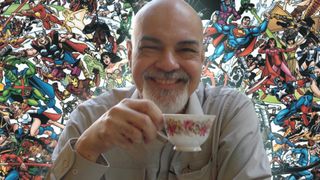
If superhero comic graphics is a language unto itself, the work of George Pérez is its Rosetta Stone.
The principles of superhero comic artwork were developed aside dozens of people, and wealthy person been filtered through the sensibilities of countless creators in the decades since Superman introduced the music genre in 1938. But the art of George Pérez serves as a perfect guide stone to understanding some the roots of superhero risible volume art and the modern sensibilities of the writing style.
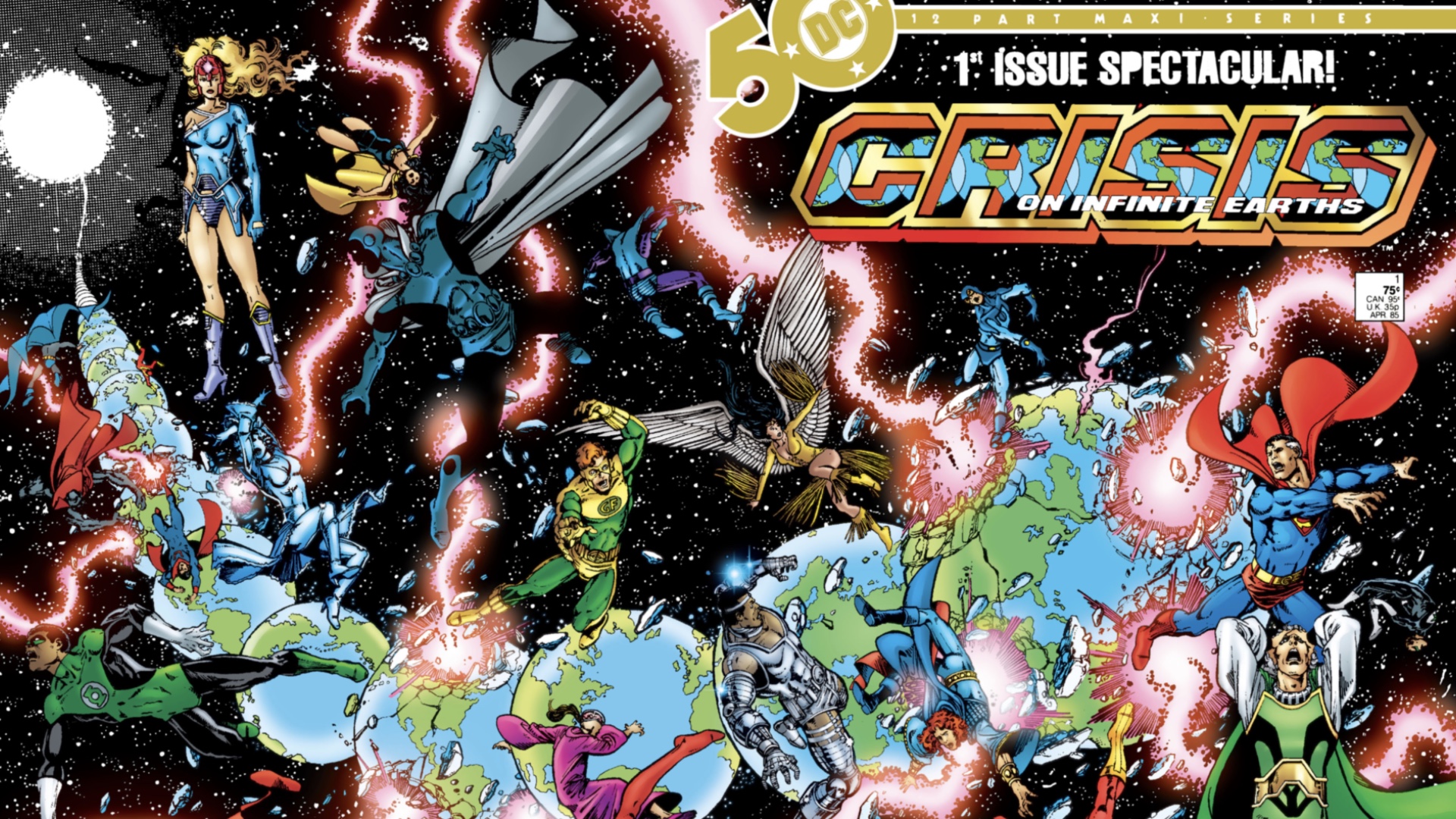
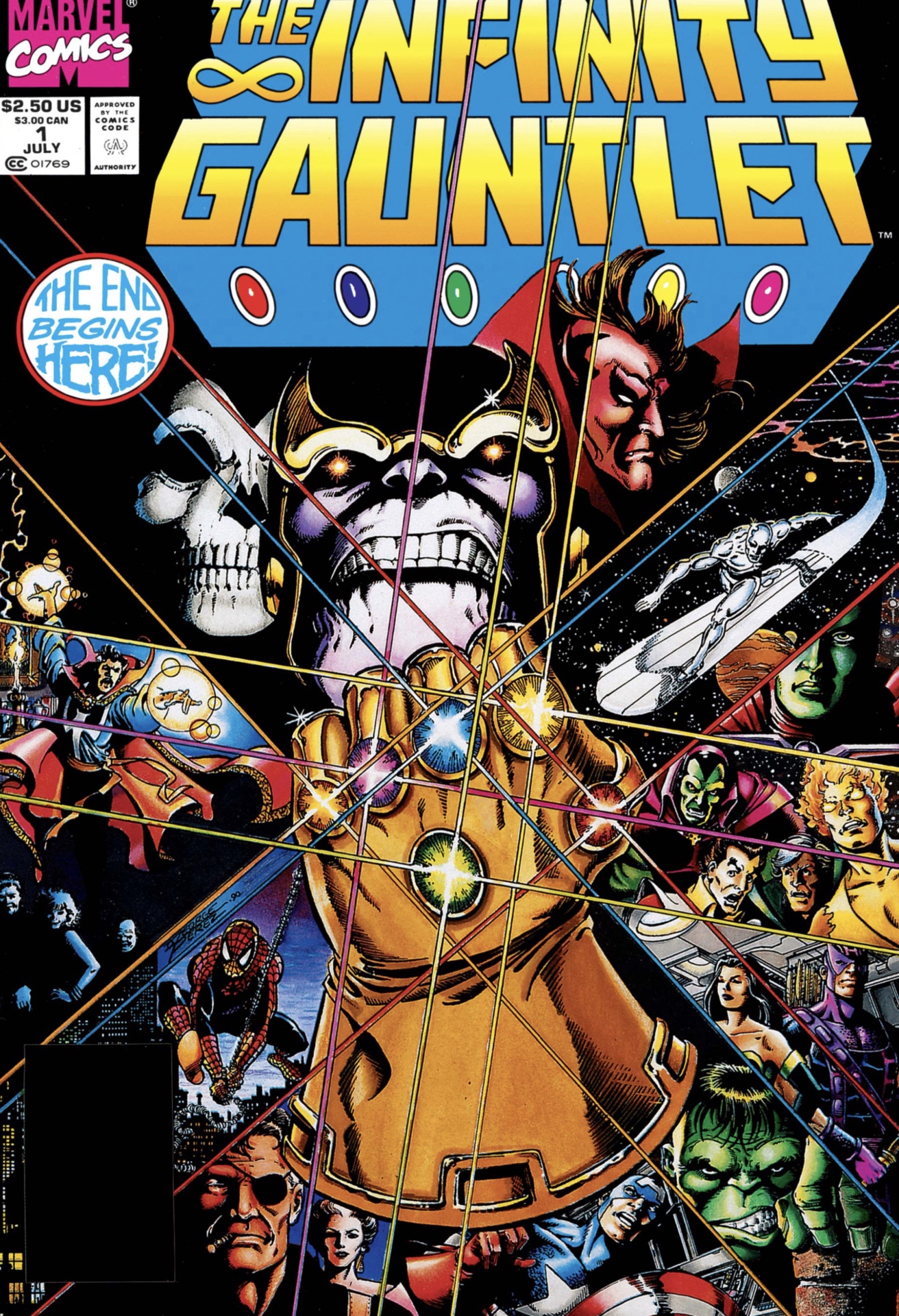
Pérez is glorious among fans for his hyper-detailed, endlessly engaging process such landmark stories Eastern Samoa Crisis on Infinite Earths, Eternity Gauntlet, and JLA/Avengers (to name retributive a few of his superlative hits). And among his peers, he's known for his almost impressive mastery of storytelling and pattern that has often been imitated but rarely duplicated.
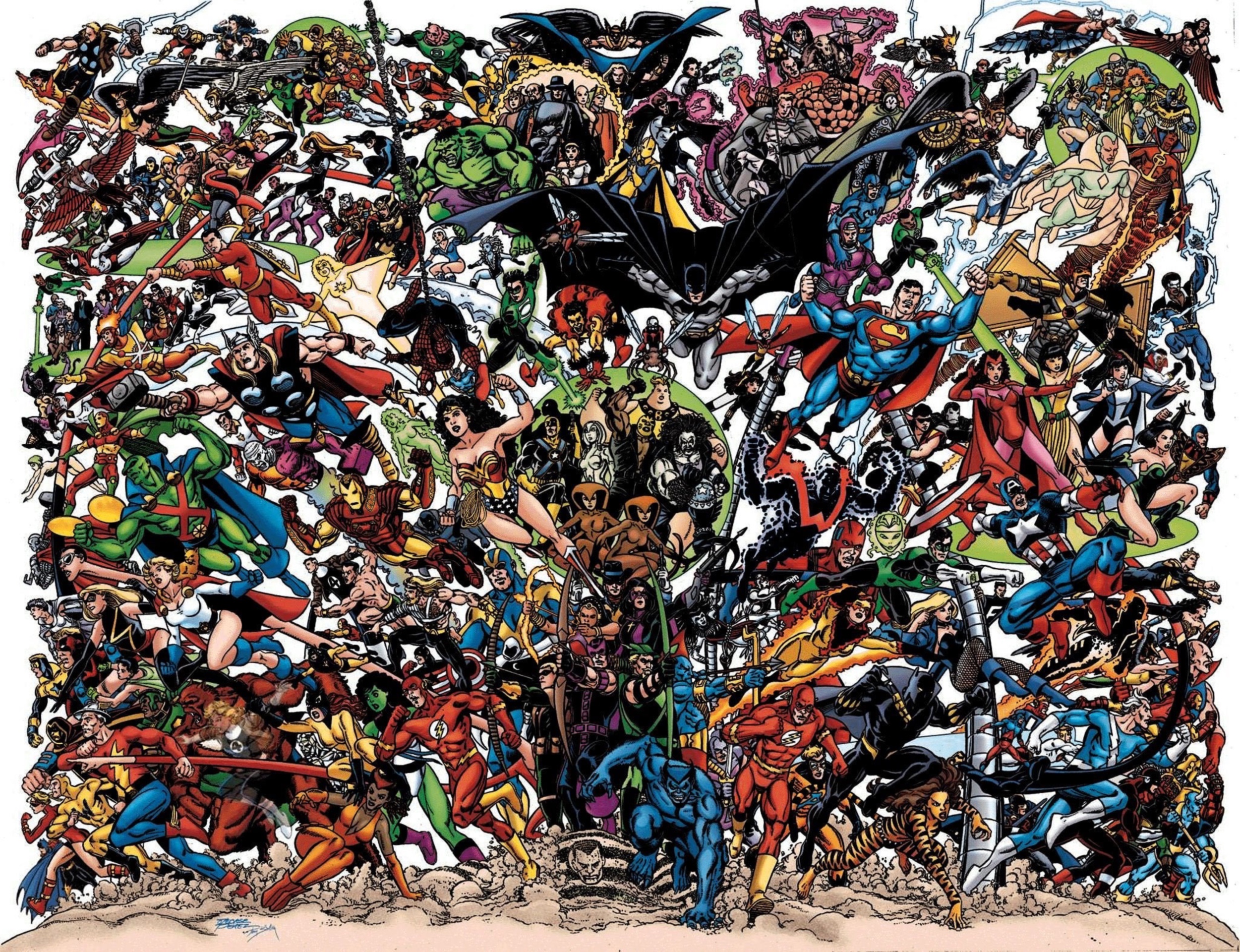
In recent weeks, Pérez has publically revealed that he has been diagnosed with a terminal illness, with a prognosis of only months to live. In the wake of his announcement, nearly the entire comic book manufacture has seminal fluid together to celebrate Pérez's graphics, and more importantly the man himself - whose receptiveness, friendly appeal, and presence in the community are as ubiquitous as his beloved process. And Pérez himself has responded in kind, thanking the comic Holy Scripture manufacture and his fans for their show of support and opening up about his life and career.
For all of this - the diligence outpouring of unconditional support and recognition of his unaltered influence, and such more - George Pérez is the most definitive superhero creative person of all time; the perfect distillment of the fundamentals arranged out by his forebears, and an endless trove of innovation that informs modern artists to this day.
George Pérez is a master of storytelling
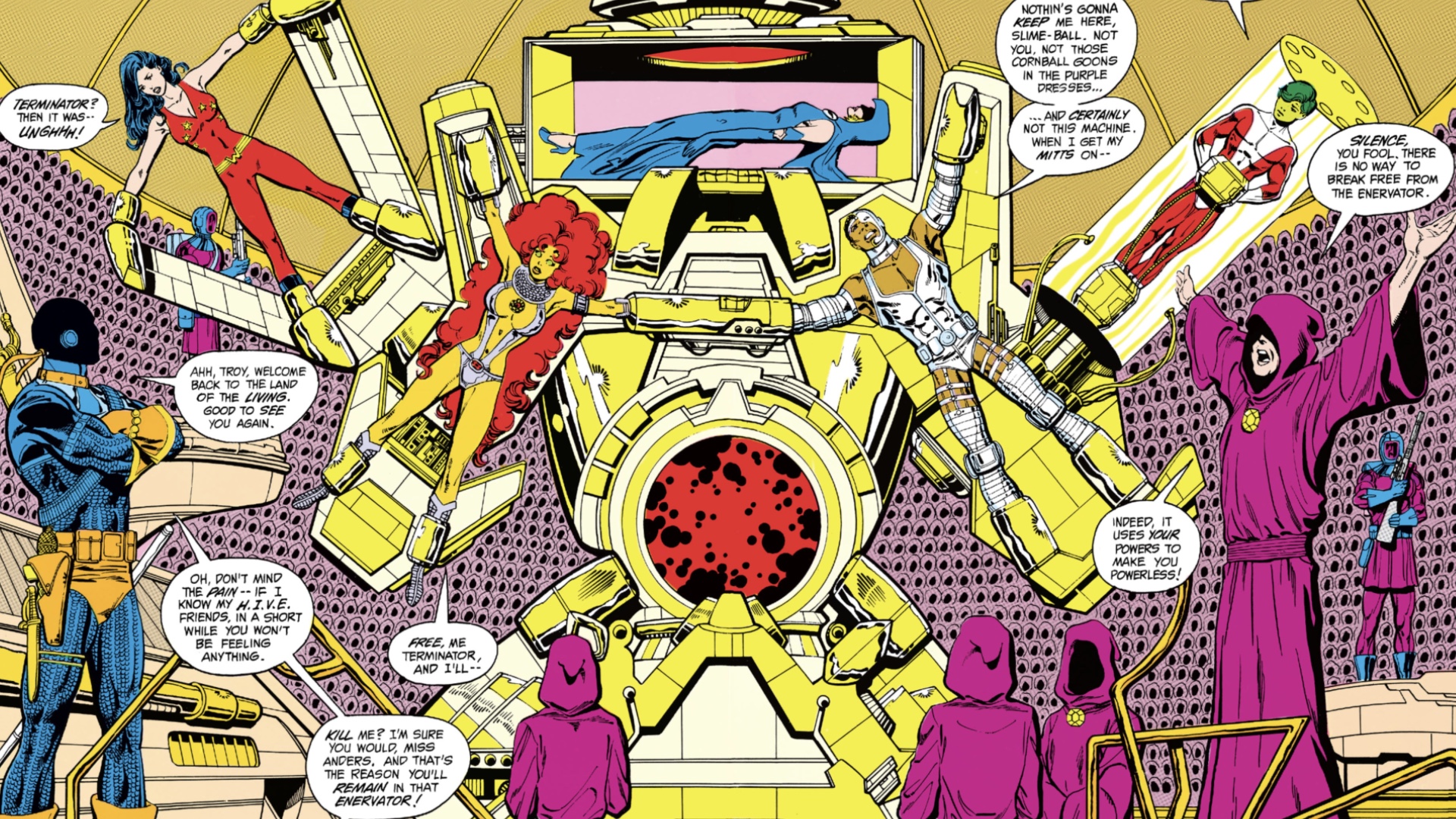
George Pérez outset hit the comic scene in 1974 at the ripe old years of 20, with esthetical sensibilities far on the far side his years. After a short run on Marvel's Deadly Custody of Kung Fu title in which helium co-created White Tiger (his beginning of many superhero costume designs, which we'll suffer into later), he quickly gradational to Wonder's then-flagship title The Avengers, solidifying his place as one of the publishing house's early rising stars.
Straight off, Pérez's art stood proscribed from his peers. While his contemporary insurrection stars such arsenic Jim Starlin and Saint John Byrne were nonindustrial styles of their own that echoed the esoteric, anti-nostalgic tenor of mid-'70s pop cultivation through the genus Lens of hyper-pragmatic predecessors such as Neal Adams and Jim Steranko, Pérez rolled the time hindmost fair-minded slenderly.
Striking an optic-catching balance between the obstruct-packed linework of the era's predominant sensibilities and the more visible, unflinching art of Knave Kirby and Steve Ditko (the soonest Wonder superstar artists), Pérez deftly bridged the artistic genesis spread, offering up a roadmap for similarly-minded superhero artists to this day.
Like Kirby, who is well thought out the godfather of modern superhero art and who in essence wrote umteen of the stylistic 'rules' of the genre, Pérez formed a storytelling style where every page counts, and in which all panel is a life-or-death beat in the secret plan close at hand. But Pérez's version of these principles goes almost the contrary direction of the essential simplicity of Kirby's original 'rules.'
Jack Kirby's prowess follows several structural rules (which helped him stay on track to pencil roughly a million full comics all calendar month for decades), most relevant in this caseful is his modular of using a maximum of sestet panels per page to minimize the figure out needed to tell a story while maximising the impact of every panel in a sequence.
Lag, George Pérez almost in full reverses these rules of minimal art in many of his most iconic pages, stacking in numerous panels each compact with detail - simply, in keeping with Kirby's principles, each panel makes an indelible impact on the story existence told.
Subject in point, this popular Sri Frederick Handley Page from JLA/Avengers began fashioning the rounds on Chitter in the ignite of Pérez's recent disclosure of his terminal diagnosis. The page, which depicts a fight between Batman and Headwaiter America, is based around a few bigger panels that pose knocked out the scene and the characters at hand.
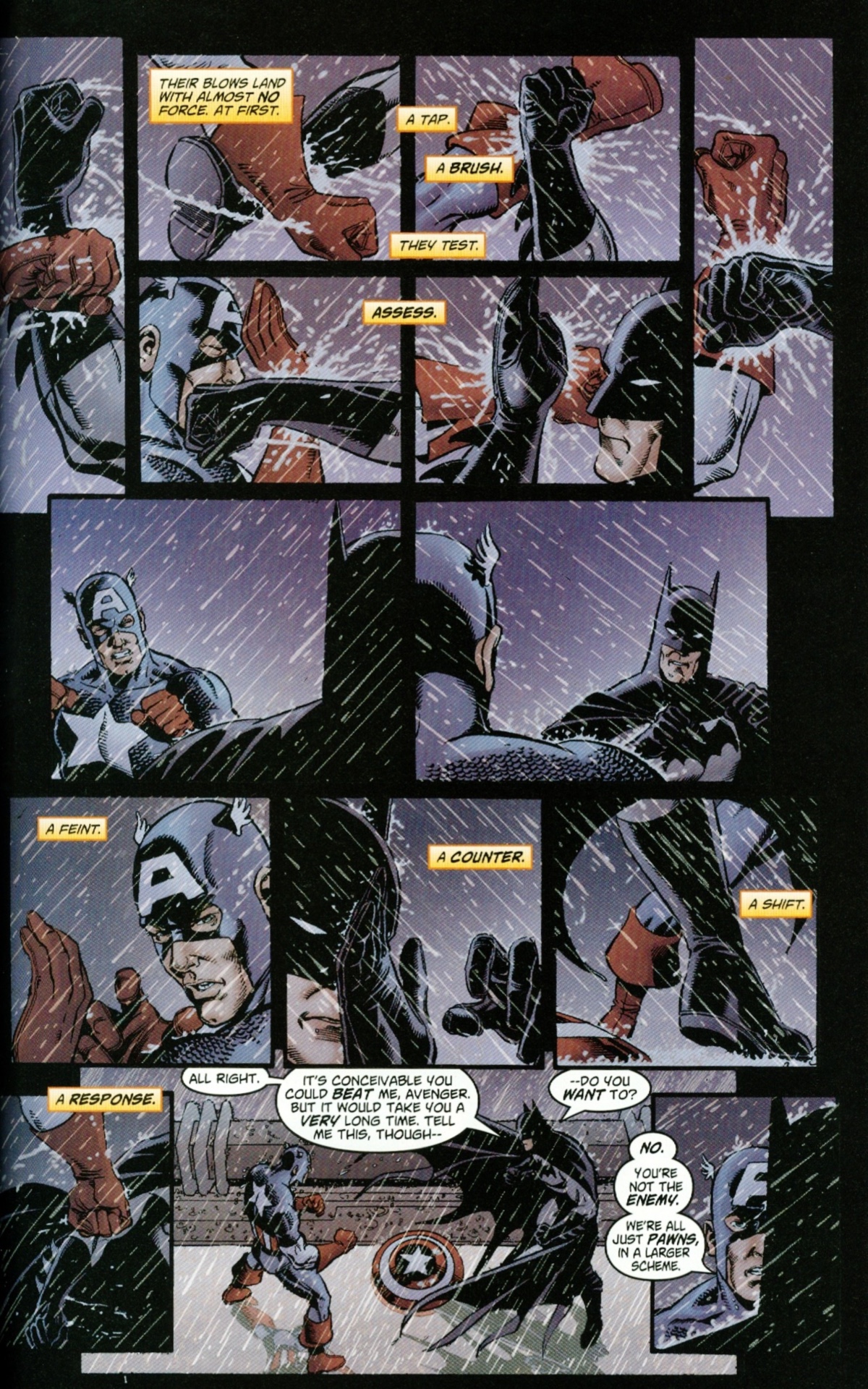
But rather than taking a straightforward approach to a dynamic battle across a smaller number of bigger panels which each show a part of the clash, Pérez peppers the page with a constellate of smaller panels dialing in closely on the blows that each hero is deftly delivering, countering, and parrying - illustrating the subtle battle of strategic wits that's taking rate 'tween Batman and Captain USA equally they size of it each other up, neither full committing to the fight until their mutual motivations can be obstinate.
Many modern artists exercise tremendous numbers of panels, and it's a favorite tactic of some writers to handwriting smaller, repeating panels to shape moments that involve numerous characters. And it's inarguable that Pérez's penchant for this gracious of expanded page structure has influenced that trend.
Only what illustrates Pérez's subordination of comic storytelling and his power to break rules he clearly amply understands is that no matter how many panels or images helium manages to include along a Page, each one guides the reader and pulls them more deeply into the moments of the storey, like the sequential frames of a great celluloid.
George Pérez is a master of design
Pérez's appeal goes far beyond his impressive storytelling techniques, which are nigh mechanically apparent to artists learning from and being inspired by Pérez's art. Along with being a thusly-called 'artist's artist,' he's been a fan-favorite Divine almost since he sour in his first pages.
During his early turning point runs along Fantastic Four and peculiarly Avengers, for which he illustrated concluded 20 issues including start out of the known 'Korvac Saga' fib, Pérez quickly put his attribute touches connected the Wonder Universe of the era.
From his definitive adopt Hank McCoy's furry down Animal form during his clock on the Avengers to his sol-bonkers-it-actually-works costume design for Beast's unexceeded bud Wonder Man, Pérez became uncomparable of the most iconic Avengers artists of all time right come out of the closet of the gate - a role he'd continue to step into over the decades.
That connection to the Avengers is symbolical of one of Pérez's most appealing qualities as an artist: his unequaled eye for graphic symbol design and 'temporary,' the way the characters display the emotions and humanity they're meant to body forth in the story.
Round-eyed, expressive, and mawkish, Pérez's characters eschew the grittiness that became a big aspect of superhero artistic production alongside the rise of his career for an invitatory, clean-bordered style that embraces the big nature of superheroes as a platform for more senesce stories.
And it's not just the emotion, acting, and the dynamic physical action of Pérez's characters that makes anything he draws surpass as both uniquely his, and universally recognizable - information technology's his singular eye for costume pattern and rendering.
Patc many artists rich person leaned far and further toward the simplicity of early superhero designs, Pérez again inverts a classic principle of superhero comics, flipping the idea of what makes an eyeball-grabbing, easily repeated look for for a character meant to be rendered over and over connected many pages connected its head.
Prevailing standards of superhero design have frequently called for groomed simplicity to create a unique, instantly recognizable silhouette with details that can easily be reproduced for numerous pages and panels along oddment. Simply true to his much iconoclastic nature, Pérez takes the construct of the superhero silhouette and packs IT in with A level of detail that is some eccentric and impressive.
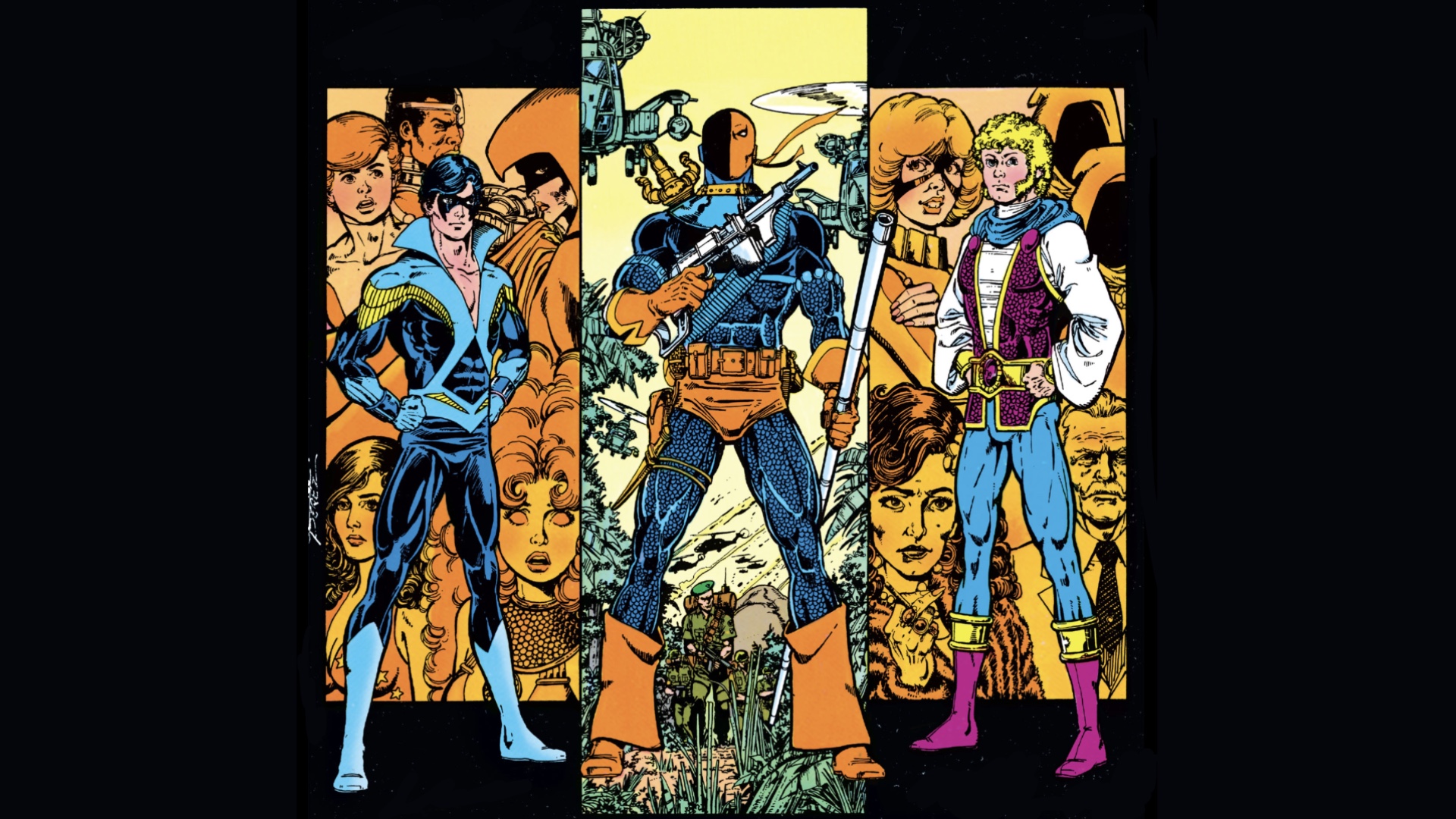
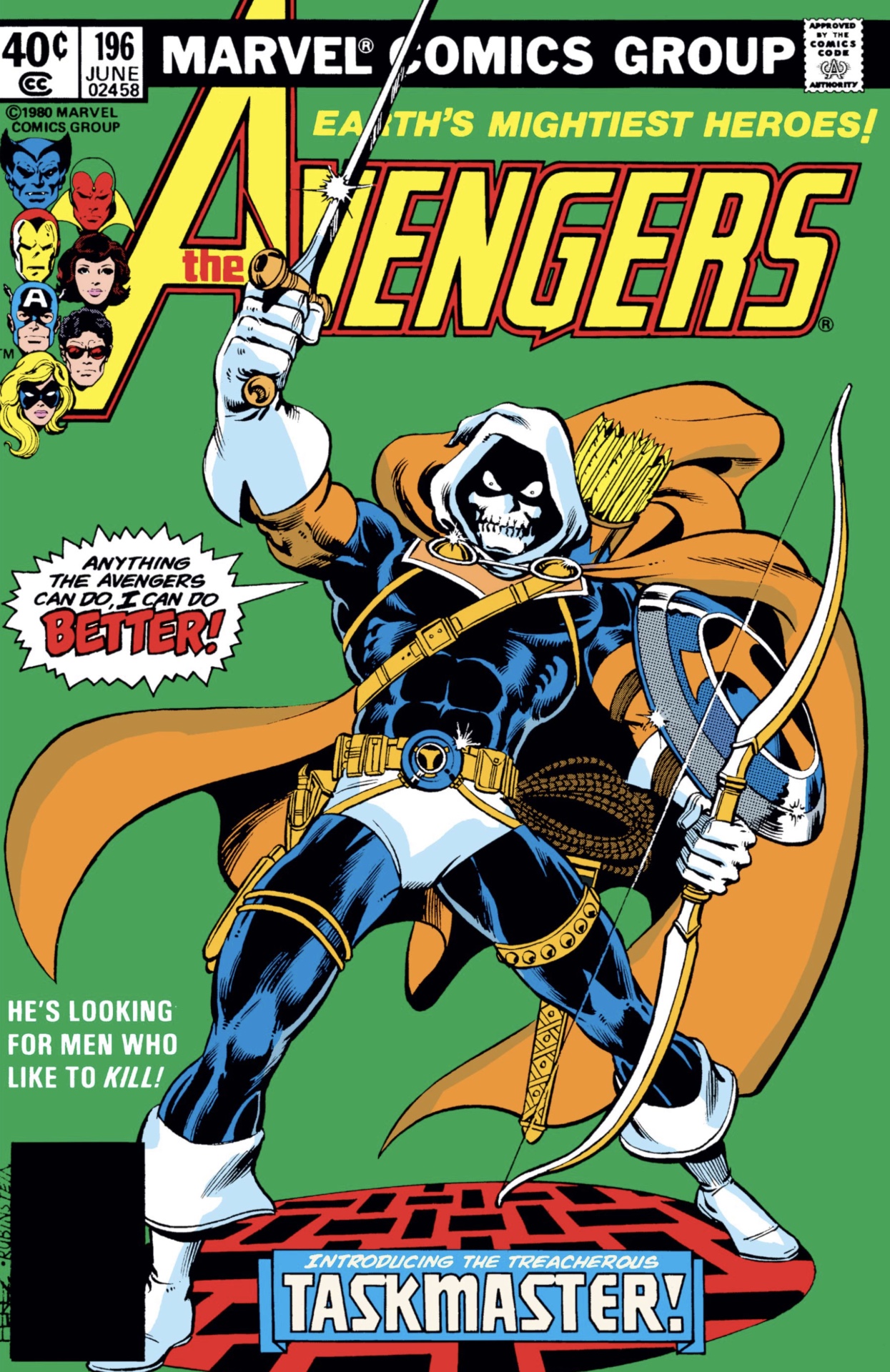
Pérez's unique approach to dress up blueprint, which often incorporates elements such A scale maille, cuffed boots, and other hallmarks of his personal taste, can be seen to great effect in characters such as Taskmaster, Deathstroke, Jericho, and naturally the original Nightwing costume - disco collar and all.
The result is costumes that seem some personal to the characters, and evocative of the influences Pérez brings to his art - and not just in terms of his stylistic humourous Holy Scripture predecessors, again like Jack Kirby, whose own eye for elaborated, melodramatic costumes undoubtedly influenced Pérez's almost phantasmagorical manner.
Pérez's designs often remember the costumes worn in the substantial domain by dancers and performers, harkening back to Superman's earliest costume which was heavily based on the typical look into for a circus strongman at the sentence, but filtered direct the lens of his own content touchstones.
The more-is-more design dash that Pérez pioneered became almost stock through the '90s, with characters often adding more colorful, asymmetrical, and intricate elements to their costumes passim the decade. In the '00s, the pendulum swung back the former way, with artists again embracing a stripped-back, simplified approach to superhero pattern.
But Pérez's influence can still embody seen forthwith outside of comic books, in video games and films, where superhero costume designs are often filled proscribed with numerous inside information, accents, textures, and colours to make them a sense of depth and movement - qualities Pérez captures perfectly in deuce dimensions, thanks in part to his gumption of character design.
St. George Pérez drew the most iconic stories in comedian books
Concurrently Pérez was drawing Avengers for Marvel Comics in the former '70s and early '80s, he managed to snag a simultaneous gig drafting Justice League of America for DC - fashioning him one of the rare artists to draw both teams on their main titles, but possibly the just mortal to ever do both at once.
(This was of course back at a metre when laughable book output methods and standards were somewhat different, and pencilers much as Pérez were Thomas More easily able to create multiple titles at in one case - a much to a greater extent unfeasible task away modern standards).
Though the overlap was short, information technology solidified Pérez's reputation early on as a go-to artist for the biggest titles also American Samoa a fan-favorite creator - relevant where Marvel and DC began planning an Avengers vs. JLA crossover voter with Pérez handling the art, though the project was scuttled (but not forever).
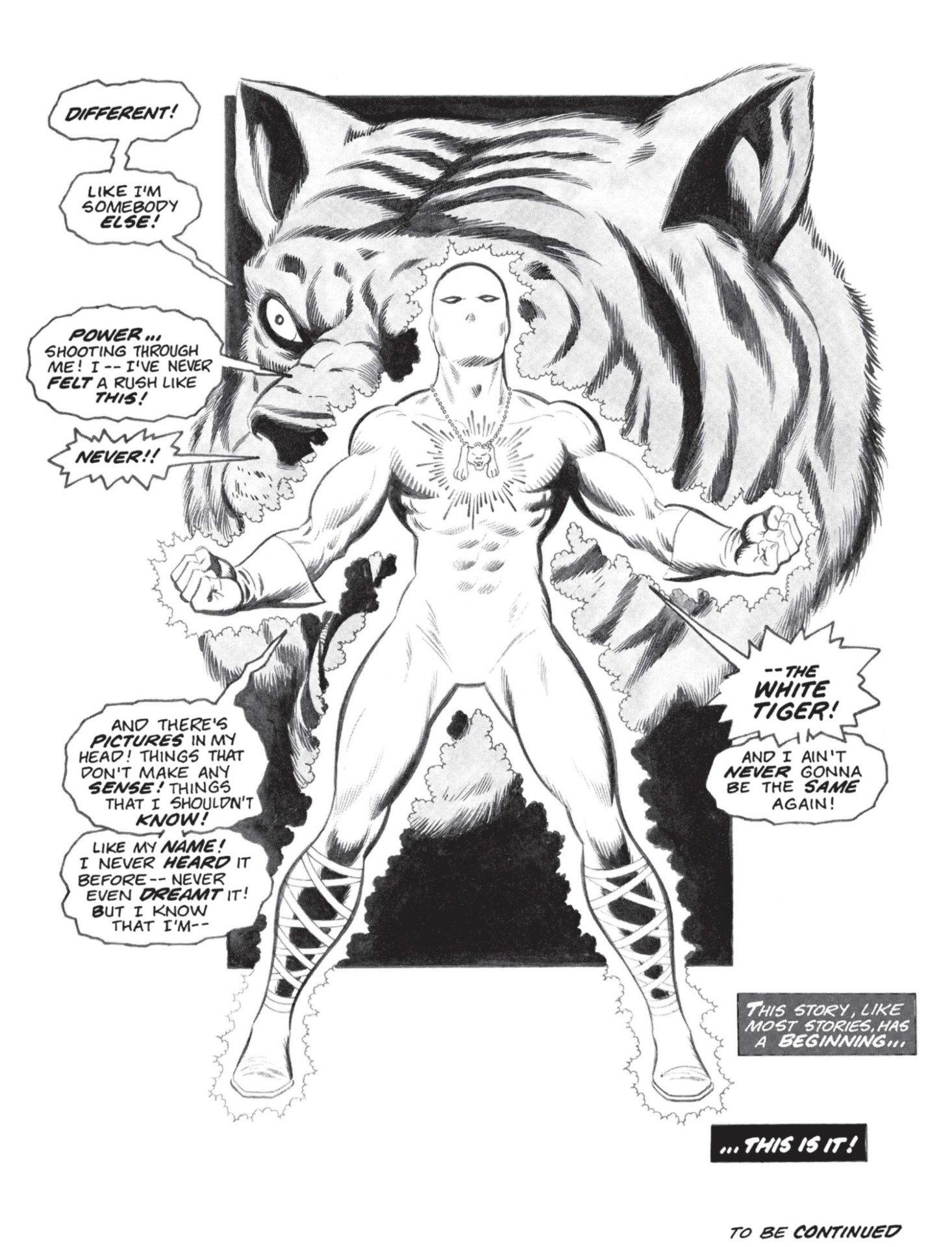
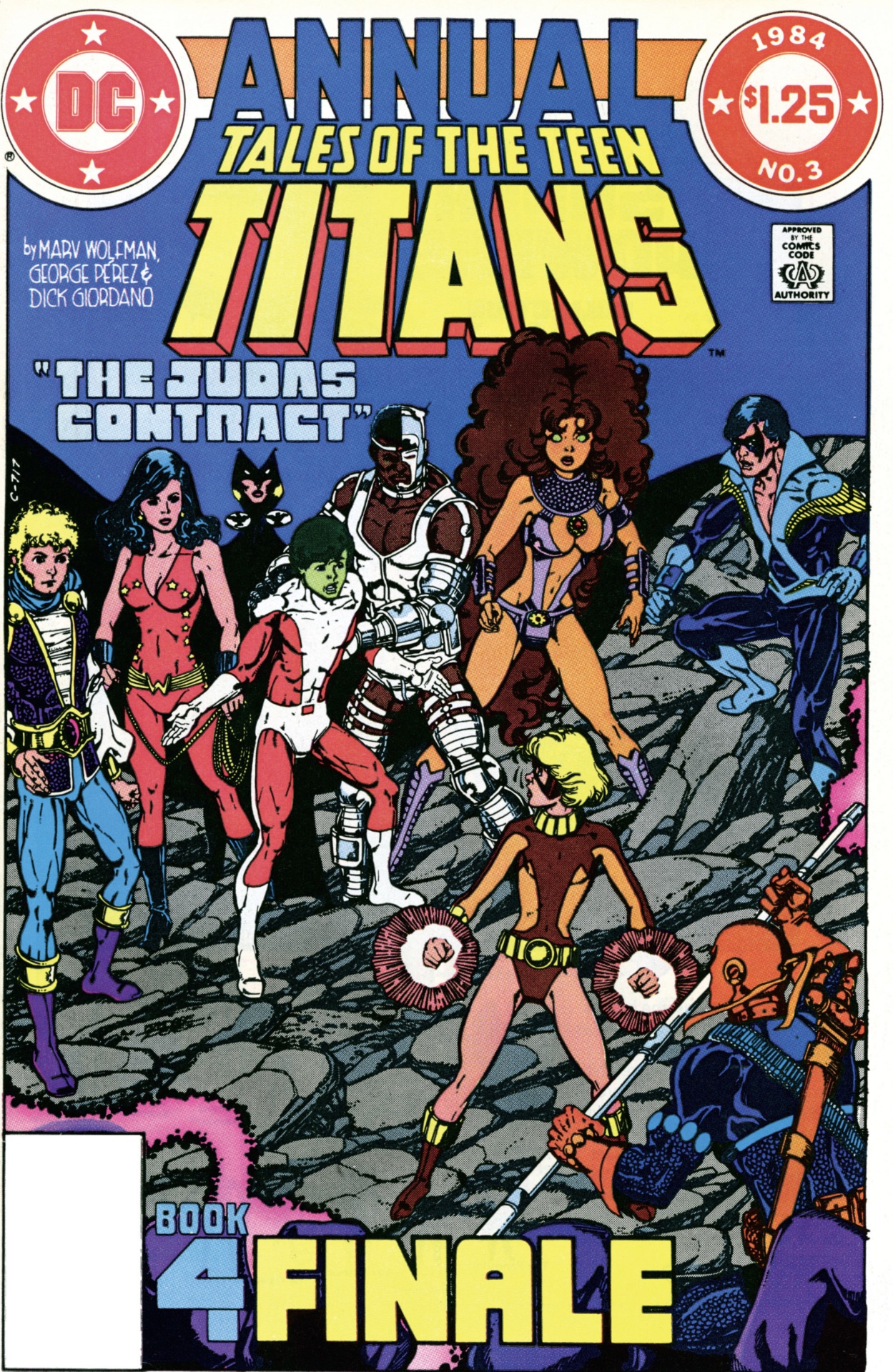
Pérez apace transitioned to drawing DC's New Young Titans, revamping the teen squad alongside writer Marv Werewolf, and creating a crew of red-hot characters for the roster including Cyborg, Starfire, and Predate - threesome of the core Teen Titans to this day.
Along Teen Titans, Pérez honed his skill for rendition characters, pushing his design and layouts to new high while staying grounded in the fundamental principle that had brought him to stardom. And it's here that Pérez's deed every bit the most unequivocal superhero creative person of all clock time truly comes into focus.
Opening with DC's Crisis on Endless Earths, which rewrote DC continuity and featured closely all D.C. character of all time to that point, Pérez became the artist of choice for several of the almost beloved and influential humourous stories ever. He also began his own career as a writer, both writing and penciling DC's resultant Admiration Woman relaunch.
Drawing on his acquirement for rendering lashings upon dozens of characters, honed on Crisis connected Infinite Earths, Pérez returned to Marvel shortly thereafter to draw Infinity Metal glove, the now-legendary fib of Thanos' quest to wipe out fractional the life in existence.
With Crisis On Infinite Earths and Infinity Gauntlet both low-level his belt, Pérez has effectively raddled two of the most intimately-legendary, beloved, and musical genre-defining superhero stories that are influencing both DC and Marvel to this day, happening the page, on-screen, and in most every medium you can think of.
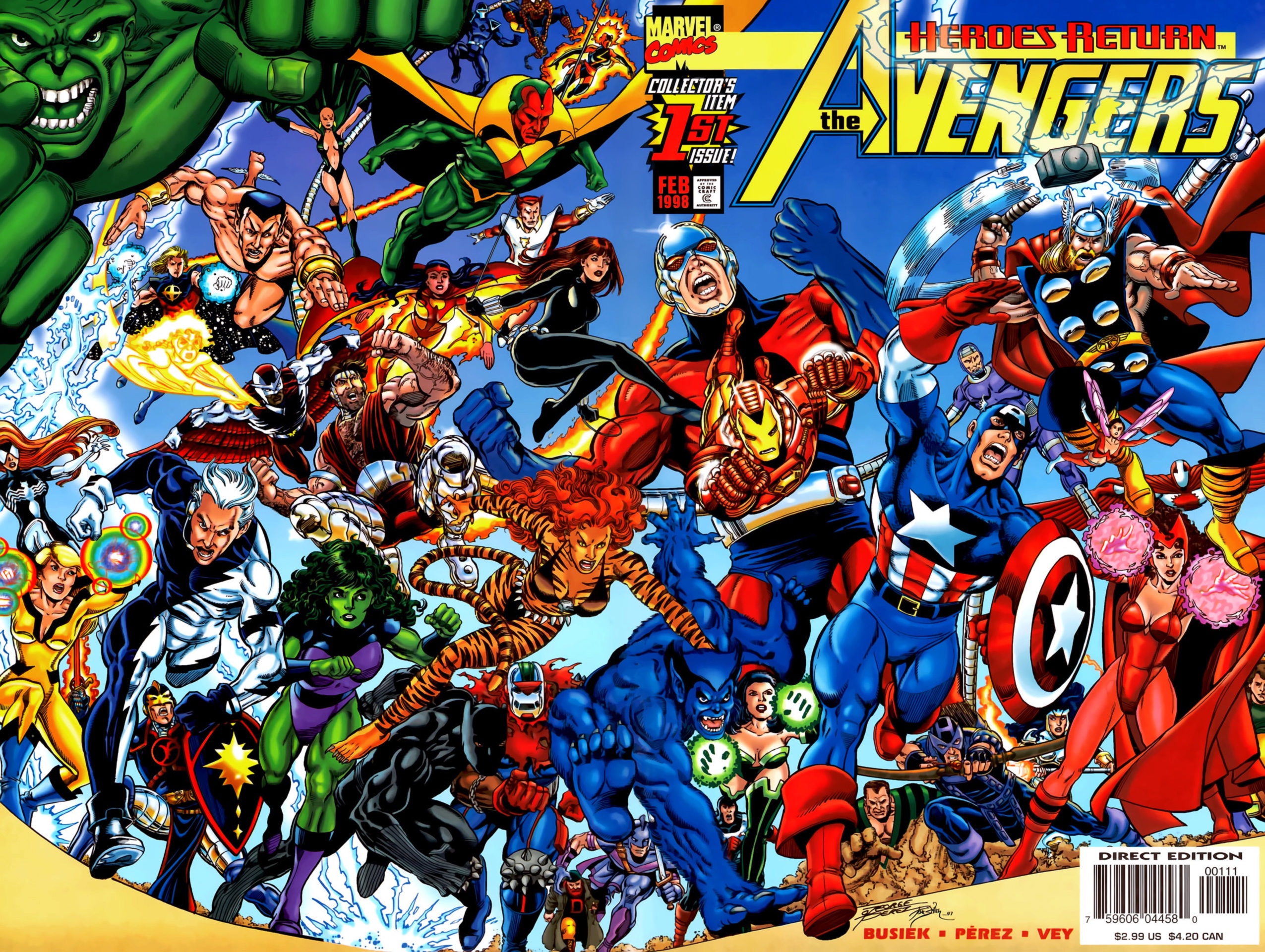
And patc those stories may represent the perfect examples to register just how grave and impactful Pérez's work has been for some fans and creators alike, perhaps the most emblematic of each his best traits as an artist, including the skills and yeasty eyeball that make always set him apart from his peers, is his subsequent late '90s, early '00s keep going Avengers aboard writer Kurt Busiek.
Arriving in the wake of Marvel's 'Heroes Reborn' relaunch which recast the Avengers, Fantastic Four, and others in their own separate continuity with very, very '90s sensibilities, Busiek and Pérez's Avengers managed to cast back the clock to a often more classical call for on Earth's Mightiest Heroes while also pushing them first in the Marvel Universe with new characters, new concepts, and new stories.
In separate speech, Busiek and Pérez's Avengers is a perfect lens system for Pérez's skill of bridging the people gap between the musical genre-edifice artists who preceded and surrounded him and the contemporary style of any geological era in which he's working with the same level of skill and mass charm.
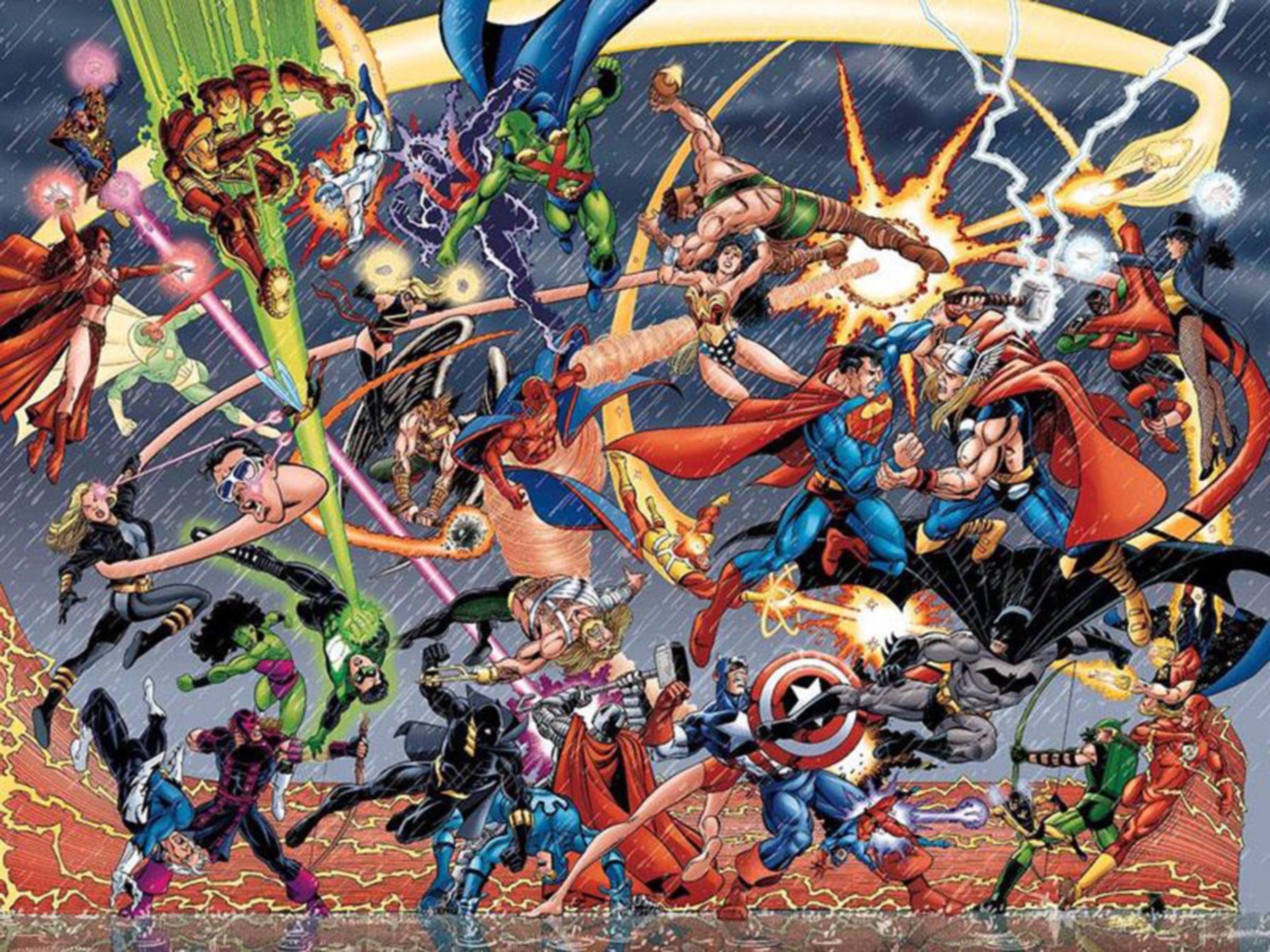
And of course, the smash hit success of Busiek and Pérez's Avengers among fans, critics, and creators alike led to Pérez's mainstream superhero career future day filled-circle, as he and Busiek were drafted in 2003 to finally create the JLA/Avengers humourous that had been wait in the wings since the early '80s, crafting what cadaver essentially the perfect Wonder/DC crossover comedian, overloaded of fresh ideas to bolster up the feelings that go with seeing the most iconic characters and concepts from Wonder and DC coming jointly, all subordinate the pencil of the artist who, for many fans, remains the creative accepted for both teams.
And of course, it's got raft of cock-a-hoop fan-service moments (wish the said Batman vs. Captain America fight) rendered exactly arsenic you'd e'er wished they would exist.
Sadly, JLA/Avengers is currently out of publish (and whoever inevitably to project the spell or make the wish to get it back on shelves necessarily to do so rather quite than later - hint, hint). But it remains the crowning achievement in Pérez's vocation of crowning achievements, and what's more, incontrovertible proof that George VI Pérez is the most definitive superhero creative person of all time.
George Pérez drew more one of the best DC Comics stories of all time, and more or less of the best Marvel stories of totally time too.

Source: https://www.gamesradar.com/george-perez-dc-marvel-definitive-superhero-artist/
Posted by: schoolcraftnark1982.blogspot.com
0 Response to "How artist George Pérez drew the entire Marvel and DC Universes and redefined the superhero genre - schoolcraftnark1982"
Post a Comment